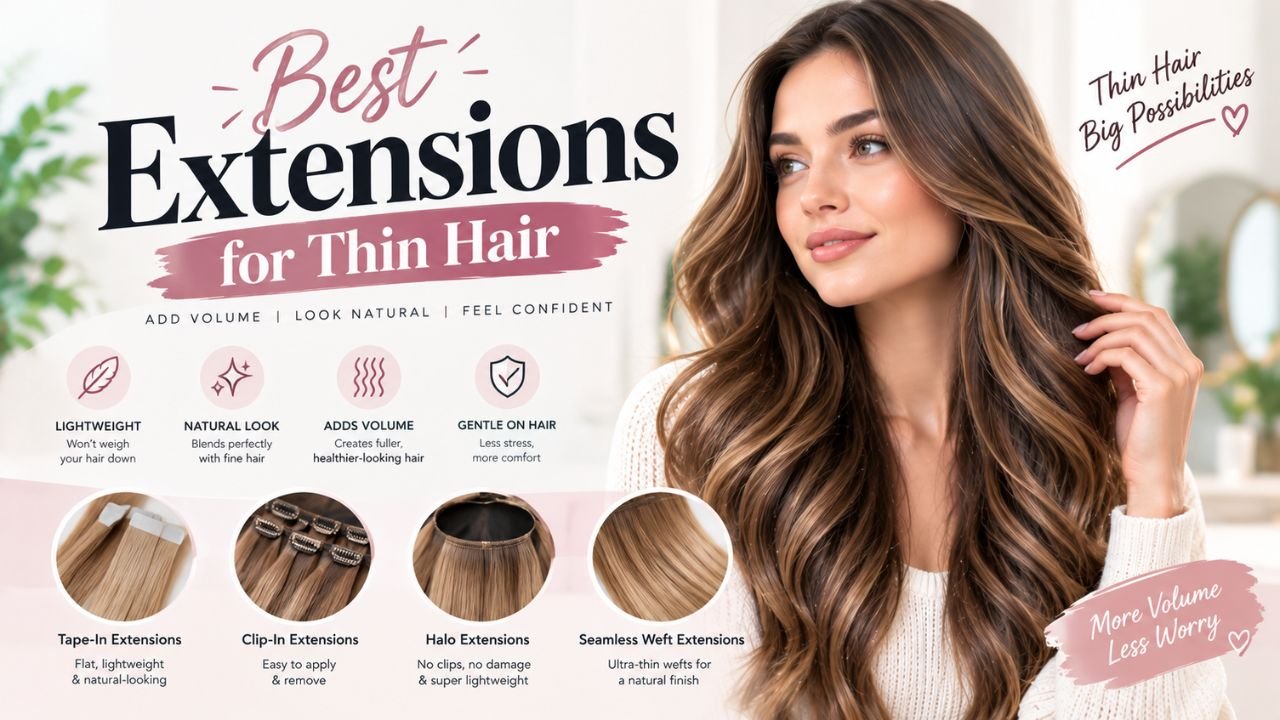
Thin hair can sometimes look flat, weak, or lack volume. The right extensions can make your hair appear fuller without looking unnatural. Best Extensions for Thin Hair are designed to add length, body, and volume while keeping your natural hair comfortable. Choosing the right type, weight, and application method is important. With the right extensions, you can create a fuller hairstyle that looks beautiful, natural, and easy to maintain.
Finding suitable extensions can feel confusing because many options are available. Best Extensions for Thin Hair should be lightweight, gentle, and easy to blend with your natural strands. Clip-ins, tape-ins, and other methods can offer different benefits depending on your hair needs. It is also important to consider hair texture, length, and daily styling habits. This guide will help you understand your options and choose extensions with confidence.
What Are Hair Extensions for Thin Hair?
Hair extensions are added to hair pieces that increase length and volume. They can make thin hair look fuller and more attractive. Best Extensions for Thin Hair should be lightweight and comfortable to wear. Different extension types are available for different hair needs. Some options are gentle on delicate strands. The right extensions should blend naturally with existing hair. They can also provide more styling choices for everyday looks.
People with thin hair should choose extensions carefully for better results. Heavy extensions may put extra pressure on natural hair strands. Lightweight options are usually more comfortable and easier to manage. Extensions can add body without making your hairstyle look unnatural. Proper application is important for protecting your natural hair. Good care can also help extensions stay beautiful for longer.
- Extensions can make thin hair appear fuller and more voluminous.
- Lightweight extensions reduce unnecessary pressure on delicate natural hair strands.
- Different extension types work well for different hair textures.
- Properly matched extensions can blend naturally with existing hair.
- Professional application helps protect fragile strands from unnecessary damage.
- Good maintenance keeps extensions looking smooth, healthy, and natural.
- Extensions can provide more choices for everyday hairstyles.
- Choosing suitable extensions improves comfort, appearance, and overall styling results.
Why Choose Extensions for Fine Hair?
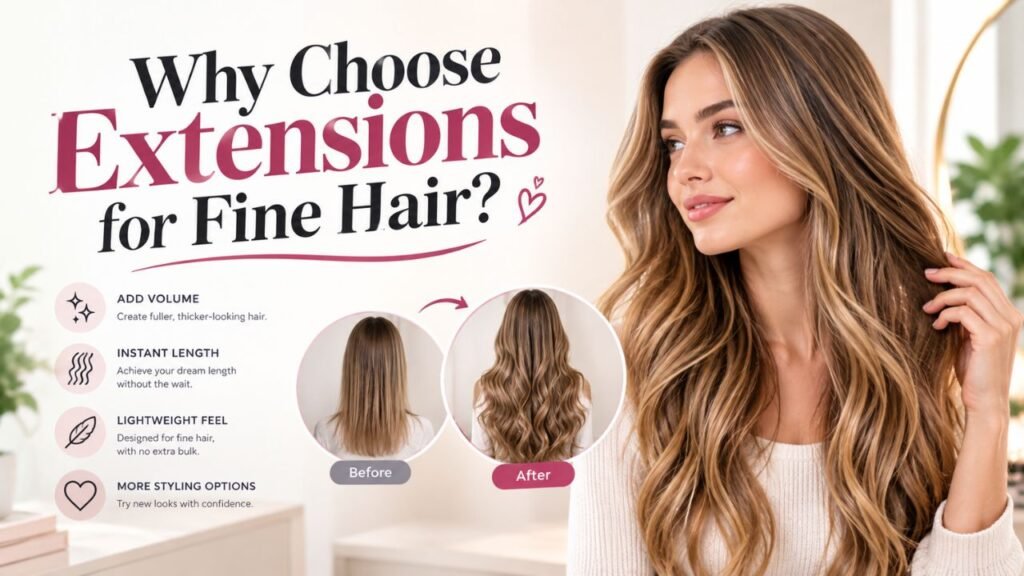
Fine hair can sometimes look flat and lack natural volume. Hair extensions can add extra body and create a fuller appearance. Best Extensions for Thin Hair can improve your hairstyle without changing your natural hair completely. They can also add length and make styling easier. The right extensions should feel light and comfortable throughout the day.
Extensions can also help you create different hairstyles for occasions. You can add volume without using heavy styling products every day. Choosing lightweight extensions is important for fine and delicate strands. They should blend smoothly with your natural hair for better results. Proper care can also help maintain their appearance and comfort.
- Extensions can add volume and create a fuller hairstyle easily.
- Lightweight options feel comfortable and reduce pressure on natural strands.
- They can make fine hair appear thicker and healthier.
- Extensions provide more styling choices for different special occasions.
- Properly selected extensions can blend naturally with your existing hair.
- They can add length without changing your natural hairstyle completely.
- Gentle application methods help protect delicate hair from unnecessary damage.
- Regular maintenance keeps extensions smooth, attractive, and comfortable to wear.
Which Type of Extensions Is Best?
Choosing the right extension type depends on your hair thickness. Fine hair usually needs lightweight options that do not add pressure. Best Extensions for Thin Hair should be easy to apply and comfortable. Clip-ins, tape-ins, and halo extensions are popular choices. Each type has different benefits, so your lifestyle also matters. Consider your daily routine before choosing an extension method.
Some extensions are better for temporary styling and special events. Others can stay in your hair for several weeks. Your natural hair condition should also guide your decision. A professional can help you choose a suitable extension type. The goal is to add volume while keeping your hair comfortable.
- Clip-in extensions offer easy application and flexible styling options.
- Tape-in extensions provide lightweight volume and natural-looking hair blending.
- Halo extensions sit gently around the head without clips.
- Sew-in extensions may not suit very fine or fragile hair.
- Professional advice helps determine which method suits your hair.
- Lightweight extensions are generally easier to manage throughout daily activities.
- Your lifestyle should influence the extension type you choose.
- Proper installation helps create comfortable and natural-looking hair results.
Read More: Hair Loss Specialist Near Me: How to Find the Right Specialist for Your Hair
Are Hair Extensions Safe for Fine Hair?
Hair extensions can be safe for fine hair when chosen and applied correctly. Best Extensions for Thin Hair should be lightweight and gentle on natural strands. Heavy extensions can create extra tension and cause discomfort. Proper installation also helps reduce unnecessary stress on your hair. It is important to choose an extension method that suits your hair condition.
Good care is also important for keeping fine hair healthy. Avoid pulling or brushing your extensions too roughly during daily styling. Regular maintenance can help prevent tangling and unnecessary hair breakage. A professional stylist can also check your hair before application. With proper care, extensions can provide volume while keeping your hair comfortable.
- Lightweight extensions create less tension on delicate natural hair strands.
- Proper installation helps reduce unnecessary stress on fine hair.
- Heavy extensions may cause discomfort and unwanted hair breakage.
- Gentle brushing helps prevent tangles and protects natural hair strands.
- Regular maintenance keeps extensions comfortable, smooth, and easier to manage.
- Professional application can help protect fragile hair from damage.
- Avoid tight hairstyles that pull heavily on natural hair.
- Choose extension methods that match your hair’s natural condition.
How to Choose the Right Extensions
Choosing suitable extensions depends on your hair type and daily needs. Best Extensions for Thin Hair should feel lightweight and blend naturally. Consider your hair length, texture, thickness, and desired volume before buying. You should also think about how often you style your hair. The right choice can improve your hairstyle without putting unnecessary pressure on natural strands.
Different extension methods offer different levels of comfort and flexibility. Some are better for temporary use, while others last longer. Always check the extension weight before making your final choice. You should also consider the quality and texture of the hair. A professional stylist can help you select the most suitable option.
- Consider your natural hair thickness before choosing extension types.
- Choose lightweight options that create less pressure on strands.
- Match extension texture closely with your natural hair texture.
- Select a suitable length that looks natural and balanced.
- Consider your daily styling routine before choosing extensions.
- Check extension quality to achieve smoother and longer-lasting results.
- Choose colors that blend naturally with your existing hair.
- Ask a professional stylist for personalized extension recommendations.
What Weight of Extensions Is Best for Thin Hair?
Thin hair needs lightweight extensions that do not create extra pressure. Best Extensions for Thin Hair should feel comfortable and blend smoothly with natural strands. Heavy extensions can pull on the roots and cause discomfort. A lighter option can provide volume without making your hair feel heavy. The right weight also depends on your hair thickness and overall condition.
You should always consider the amount of natural hair you have. Very fine strands may need smaller and lighter extension pieces. A professional stylist can check your hair before choosing the weight. This can help prevent unnecessary tension and breakage. Lightweight extensions can still create beautiful volume when they are properly selected and applied.
- Lightweight extensions create less pressure on delicate natural hair strands.
- Heavy extensions can place extra tension around fragile hair roots.
- Smaller pieces may work better for very fine hair.
- The right weight depends on your natural hair thickness.
- Professional advice can help determine a suitable extension weight.
- Lightweight options can provide volume without feeling heavy.
- Proper application helps distribute extension weight more evenly.
- Regular checks can prevent discomfort and unnecessary hair tension.
How to Match Extensions With Your Natural Hair
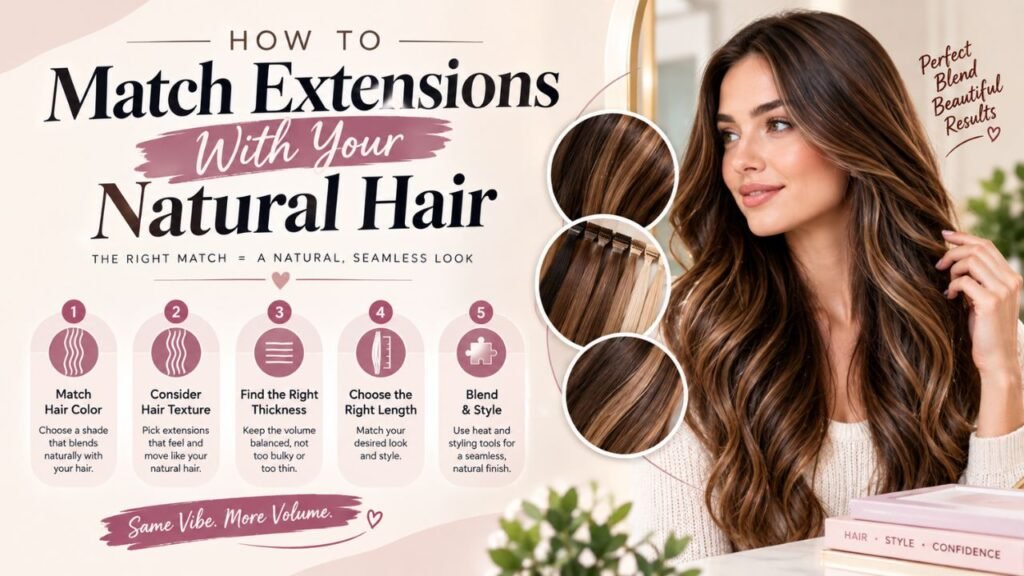
Matching extensions with your natural hair creates a smoother and more realistic look. Best Extensions for Thin Hair should closely match your hair color, texture, and length. The right match makes extensions less noticeable when styled. You should also consider whether your hair is straight, wavy, or curly. A close texture match helps create a seamless overall appearance.
Color matching is equally important when choosing hair extensions. Natural-looking shades usually blend better with your existing hair. You can also consider highlights or lowlights for a more dimensional look. The extension length should not appear too different from your natural hair. Taking these details seriously can make your final hairstyle look polished and balanced.
- Choose an extension color that closely matches your natural hair.
- Match the texture for a smoother and more realistic appearance.
- Select a suitable length that blends naturally with existing strands.
- Consider highlights when your natural hair contains multiple shades.
- Choose lowlights for more depth and natural-looking hair blending.
- Curly hair needs extensions with a similar curl pattern.
- Straight hair usually blends best with smooth straight extensions.
- Professional color matching can improve your final hairstyle results.
How to Care for Your Extensions
Proper care can help your extensions stay smooth, clean, and attractive. Best Extensions for Thin Hair need gentle handling to maintain their appearance. Always brush your extensions carefully and start from the ends. Avoid pulling or brushing them too quickly. Use suitable hair products that are gentle and lightweight. Good care can also reduce tangling and unnecessary hair breakage.
Washing your extensions correctly is also important for their condition. Use a mild shampoo and avoid applying too much product. Let your extensions dry completely before sleeping or styling them. Avoid excessive heat whenever possible to protect the hair. Regular maintenance can help your extensions look fresh and natural for longer.
- Brush extensions gently from the ends toward the roots.
- Use a soft brush designed specifically for hair extensions.
- Wash extensions carefully with gentle and suitable hair products.
- Avoid excessive heat when styling your extensions regularly.
- Allow extensions to dry completely before going to bed.
- Avoid pulling extensions when removing tangles or knots.
- Store removable extensions safely when they are not being worn.
- Regular maintenance helps extensions remain smooth, clean, and attractive.
How to Make Extensions Look Natural
Natural-looking extensions should blend smoothly with your existing hair. Best Extensions for Thin Hair can look realistic when their color and texture match. Choose extensions that closely match your natural hair shade. The length should also look balanced with your current hairstyle. Proper placement is another important part of creating a natural appearance.
Styling can make extensions blend even better with natural strands. Gentle waves can help hide the connection between both hair sections. Avoid using too many products because they can make hair look heavy. Regular trimming can also keep the extensions looking fresh. With careful styling and proper matching, extensions can appear beautifully natural.
- Match extension colors closely with your natural hair shade.
- Choose textures that closely resemble your existing hair.
- Select lengths that create a balanced overall hairstyle.
- Place extensions carefully to hide visible attachment points.
- Blend extensions with gentle waves or suitable styling techniques.
- Avoid excessive products that can make extensions appear heavy.
- Trim extensions occasionally to maintain their natural appearance.
- Style carefully to create smooth and seamless hair blending.
Read More: The Ultimate Guide to Balayage Hair: Find Your Perfect Shade
Frequently Asked Questions
Which type of extensions are best for thin hair?
Best Extensions for Thin Hair are usually lightweight options like tape-ins, halo, and clip-ins.They can add volume while creating less pressure on delicate natural strands.
What are the best hair extensions for really thin hair?
Best Extensions for Thin Hair should be lightweight and easy to blend.
Tape-in and halo extensions can provide volume without adding too much weight.
Can your hair be too thin for extensions?
Very thin hair may need special care before using extensions.
Best Extensions for Thin Hair should be selected based on your hair condition.
How to hide hair extensions in thin hair?
Choose lightweight pieces and place them carefully under your natural hair.
Best Extensions for Thin Hair should match your color and texture closely.
What is the newest hair extension method?
New extension methods focus on lightweight application and natural-looking results.
Best Extensions for Thin Hair can include newer techniques designed for delicate strands.
Conclusion
Choosing the right extensions can make thin hair look fuller, longer, and more stylish. Best Extensions for Thin Hair should be lightweight, comfortable, and easy to blend. The right choice depends on your hair type, texture, length, and daily routine. You should also consider the extension weight and application method. Proper care is important for keeping extensions smooth, natural, and comfortable. With careful selection, you can enjoy beautiful results without adding unnecessary pressure.
Hair extensions can give you more confidence and styling options. However, choosing the wrong type may cause discomfort or extra tension. Always choose extensions that match your natural hair closely. Gentle application and regular maintenance can also improve their appearance. If you are unsure which option suits your hair, consider professional advice. Best Extensions for Thin Hair can help create a fuller look when selected, applied, and maintained correctly.

HairNiva is a helpful destination for hair care tips, hairstyle ideas, and beauty inspiration, managed by Ryan Mitchell, an SEO content writer with 2 years of experience, focused on creating simple, practical, and engaging content that helps readers care for their hair and find styles they love.